
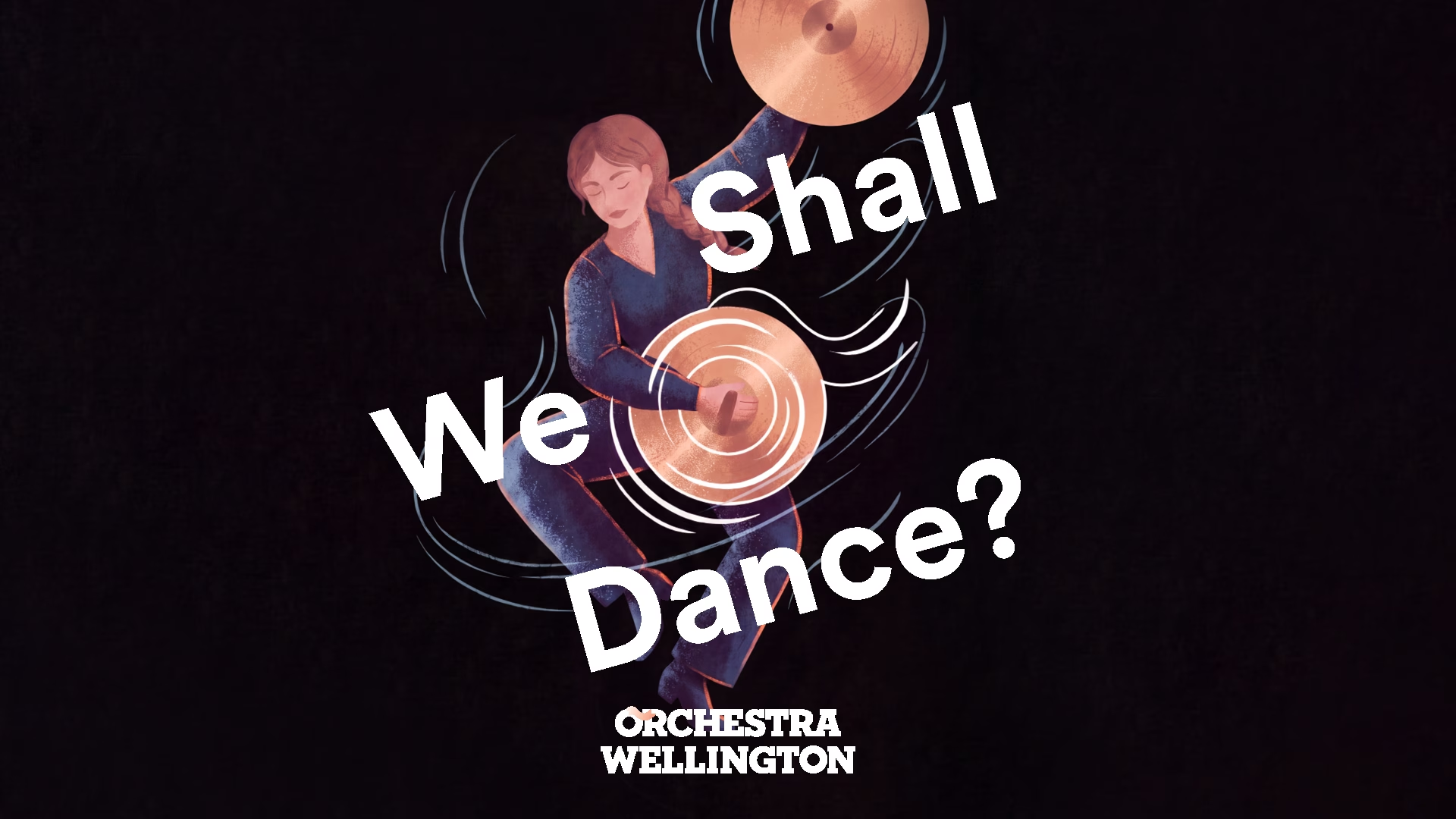
2027 with Orchestra Wellington: Shall We Dance?
It is one of the great paradoxes of Western classical music that audiences now encounter it almost exclusively in silence and stillness.
We enter a concert hall, take our seats, and for the next two hours scarcely move, applauding only at prescribed moments.
But for much of its history, this image would have been unrecognisable.
Music was something people moved to for centuries before it was something they merely listened to. Long before the harmonic language we recognise as the Common Practice had fully evolved, music existed as an accompaniment to ritual, procession, courtship, celebration, and communal dancing. Dance was not simply one of music’s many functions — it was a force that shaped the very language through which Western art music eventually learned to think.
That may sound like an extravagant claim. We readily acknowledge that composers throughout history borrowed dances — Mozart’s minuets, Chopin’s mazurkas, Strauss’s waltzes, Bartók’s folk dances. But these familiar examples risk obscuring a deeper truth: dance did not merely provide composers with attractive rhythms or colourful national styles; it influenced phrase structure, repetition, metre, harmonic rhythm, cadence and, ultimately, musical architecture itself. More profoundly, it taught listeners how to hear.
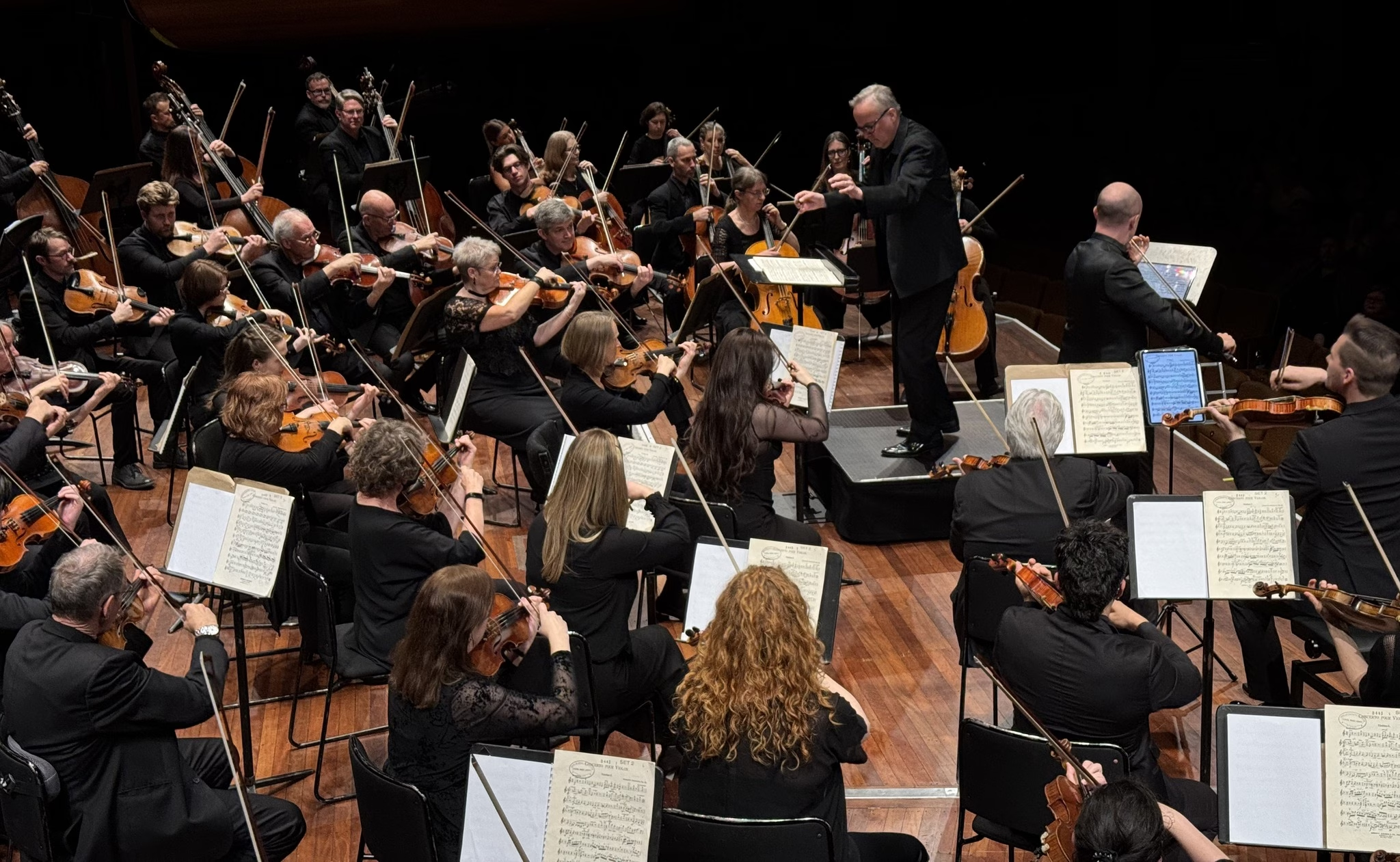
Every conductor knows the sensation of feeling an audience lean, almost imperceptibly, towards an approaching cadence, sensing the destination long before they could explain the mechanics. I’ve experienced this more times than I can count from the podium — several hundred strangers, each carrying their own private evening into the room, responding almost as one body.
How did audiences learn to anticipate musical arrival so naturally? Perhaps the answer isn’t in the concert hall at all. Perhaps it began on the dance floor. To successfully accompany dance, music must have qualities that purely contemplative music does not require.
Dancers need to know when phrases start and end. Cadences cannot appear arbitrarily, but must arrive, balanced and well-proportioned, to signal a gesture’s completion. The dancer’s response moves between predictability and surprise: precisely what later became a defining characteristic of Western tonal music. The body, one might say, taught the ear.
Our 2027 Orchestra Wellington season, Shall We Dance?, explores this relationship across six subscription programmes, including our gala re-opening of the Wellington Town Hall. These concerts trace the ways dance has continually reinvented itself across eight centuries: sacred ritual, court spectacle, social entertainment, folk tradition, theatrical drama, jazz — and, finally, as something so deeply embedded within musical language that the orchestra itself learned to dance without anyone needing to leave their chair.
The earliest surviving evidence that lets us glimpse the interaction between dance and composed music belongs to medieval Europe. Much of what survives from the twelfth and thirteenth centuries comes from the repertory of the troubadours of southern France and the trouvères of the north, whose narrative forms reveal a fascinating relationship between poetry, music, and dance.
The trouvère Conon de Béthune (c.1150–1220) wrote, “I will make a song that is light upon the ear, for it matters to me that all may learn it and willingly sing it”, an artistic ideal that feels strikingly modern. Before music can aspire to complexity, it must first be memorable. A melody that can’t survive the walk home is unlikely to survive eight centuries.”
The trouvères cultivated structures built on repetition. Refrains frequently escaped the songs for which they’d been written, acquiring independent lives as recognisable musical tags — what we’d now happily call hooks. One revealing example is the pastourelle by Moniot d’Arras (d.1239), L’Autrier en mai (“The Other Day in May”), describing music performed with fiddle accompaniment while dancing in the open air. Its balanced alternation of long and short poetic phrases hints at the binary organisation that would later become fundamental to European dance forms.
What fascinates me more than what was written down, though, is what wasn’t. Sacred chant was copied with extraordinary care because the Church depended upon faithful transmission. Dance, by contrast, remained one of the slowest musical traditions to surrender itself to notation. Western music developed along two parallel paths: one preserved in manuscripts, the other in memory. A written tradition values precision and fidelity to a text; an embodied tradition encourages flexibility and improvisation. Dance became a fertile laboratory for musical invention, constantly evolving as performers responded to changing tastes and practical necessity. One tradition preserved music. The other kept it alive.
As medieval society urbanised through the thirteenth century, secular music moved beyond aristocratic courts into expanding towns, where professional minstrels began elaborating melodies and improvising embellishments. The earliest surviving collections devoted principally to instrumental dance date largely from the fifteenth century, especially the elegant basse danse cultivated in Burgundy, France and Italy. Unlike chant, dance demanded recognisable lengths, recurring proportions, and clear cadences.
The body began teaching the ear how music should unfold; the ear, in turn, taught composers to organise musical thought.
That largely unwritten knowledge found one of its most remarkable chroniclers in the Spanish theorist, composer, and viol player Diego Ortiz, who spent most of his career at the viceregal court in Naples. His Tratado de glosas (1553), among the earliest substantial books devoted to instrumental performance, documents a practice that had previously lived largely in memory: the art of improvising elaborate counterpoint above existing musical foundations drawn from chansons, sacred music and, significantly, dances.
Ortiz was doing more than explaining how to play; he was beginning to explain how music works. Repeated harmonic patterns — grounds such as the passamezzo and romanesca — became stable structures over which musicians could invent endlessly varied melodic lines. Harmony began to emerge as an organising principle rather than simply the by-product of independent voices.
This marks one of the great revolutions in Western listening. Audiences began hearing not merely individual musical events, but relationships unfolding through time. Ortiz did not invent these practices; his achievement was to recognise what generations of dance musicians had already discovered and preserve it without sacrificing its vitality. From these foundations grew more sophisticated tonal thinking and, eventually, the harmonic language of the Common Practice. Dance had become syntax.
If Ortiz represents the moment dance begins shaping musical language, seventeenth-century France represents the moment that language acquires extraordinary elegance. No European court understood dance more than Versailles, where Louis XIV recognised that choreography was never merely entertainment — it expressed hierarchy, discipline and political order.
Music didn’t just accompany spectacle; it became one of its principal languages.
No composer contributed more to this world than Jean-Baptiste Lully. He created the musical language of Versailles, fusing music, choreography, and theatre into a unified vision whose influence spread throughout Europe. Dance had become art.
The culmination of this tradition arrived with Jean-Philippe Rameau — and there could hardly be a more fitting composer through whom to encounter dance at its most refined.
By the middle of the eighteenth century, dance was so absorbed into Western musical language that composers no longer needed to write dances to think like dancers. The minuet became an expected movement in symphonies and string quartets, not because audiences wished to dance, but because centuries of dance had shaped expectations of proportion, symmetry, and balance. Haydn transformed German dances, minuets, and ländler into sophisticated musical arguments. Though dance had become abstract, its language remained.
Our first programme, CELEBRATION, is the gala re-opening of the Wellington Town Hall. It is an honour to participate, and I can think of no better way to bring this building back to life than through these works.
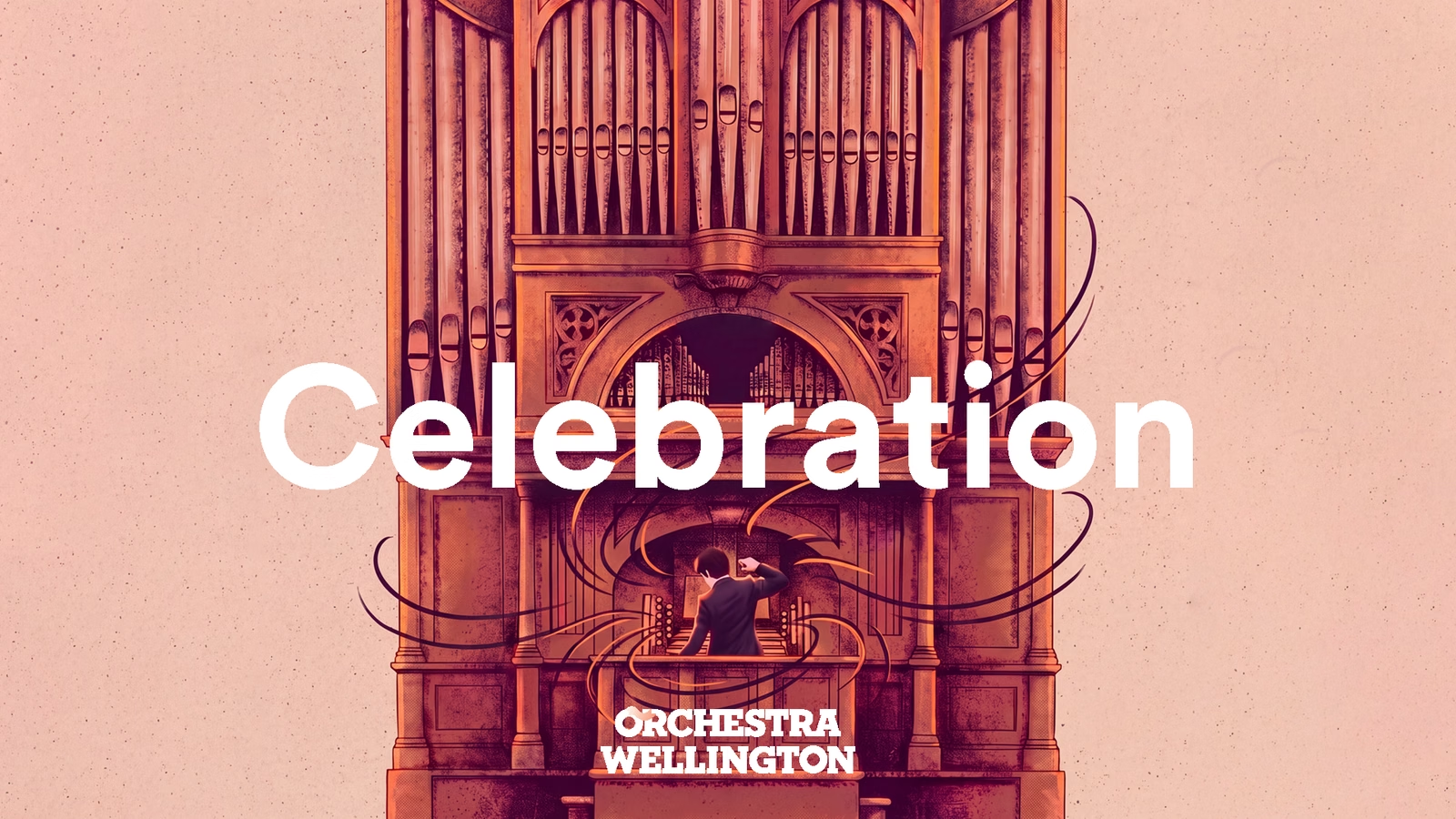
Debussy’s Ibéria imagines Spain through memory rather than geography. Processions drift across distant streets, guitars shimmer through the orchestral texture, rhythms appear accidentally before dissolving into colour and light. This is dance remembered rather than observed.
Respighi’s Church Windows reminds us that movement isn’t confined to the ballroom. Long before dance became social entertainment, ritual gave physical expression to communal belief; beneath its monumental orchestral frescoes one senses processions, ceremony, and collective movement unfolding through musical time. This work will also give the newly renovated organ of the Town Hall a suitable workout!
As will the organ part in the most elemental work on the programme — Janáček’s Glagolitic Mass! Unlike the great Latin settings of Bach, Mozart, and Verdi, Janáček deliberately chose Old Church Slavonic, rooting the work in the language and traditions of his own people. This is sacred music of astonishing physicality, and even at its most ecstatic one senses communal ritual rather than theatrical display.
SYMPHONIC DANCES brings movement to the forefront and asks a darker question: can dance express not simply joy, but conflict?
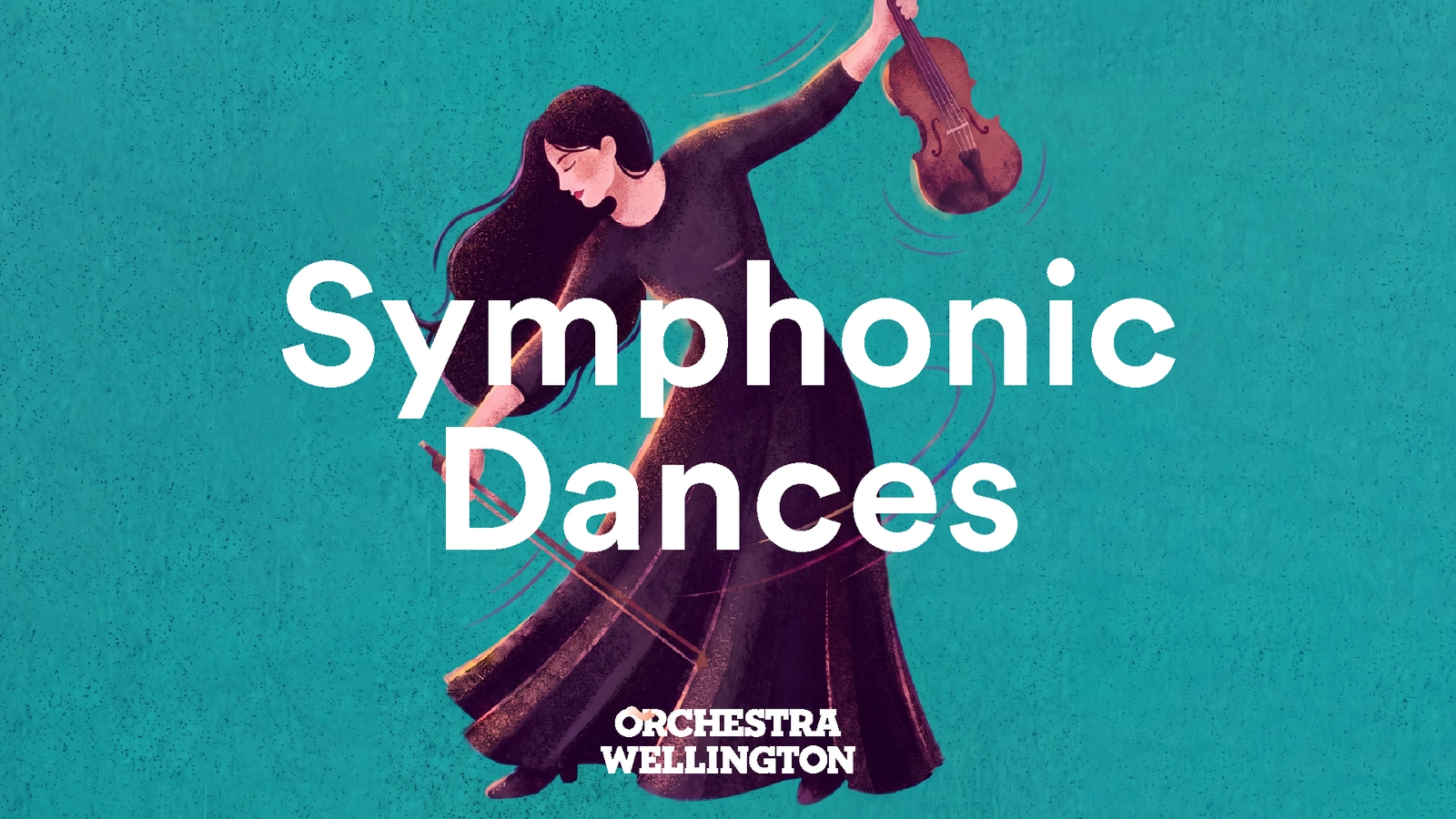
Roberto Sierra’s Fandangos celebrates one of Spain’s oldest dance traditions through contemporary orchestral colour, while Bernstein’s Symphonic Dances from West Side Story show choreography elevated into pure symphonic argument. Against this vibrant first half stands Shostakovich’s First Violin Concerto, an apparent outsider that in fact belongs entirely: his dances rarely smile without irony, rhythmic energy becomes psychological tension, and motion itself becomes resistance. Our concertmaster, Amalia Hall, will be soloist.
Our third programme, which gives this season its title, explores the American reinvention of dance and celebrates a great moment when popular culture and concert music became inseparable. Gershwin refused to recognise distinctions between Broadway, jazz, and the concert hall; Bernstein dissolved the remaining barriers almost completely; Ellington demonstrated that jazz itself possessed symphonic breadth.
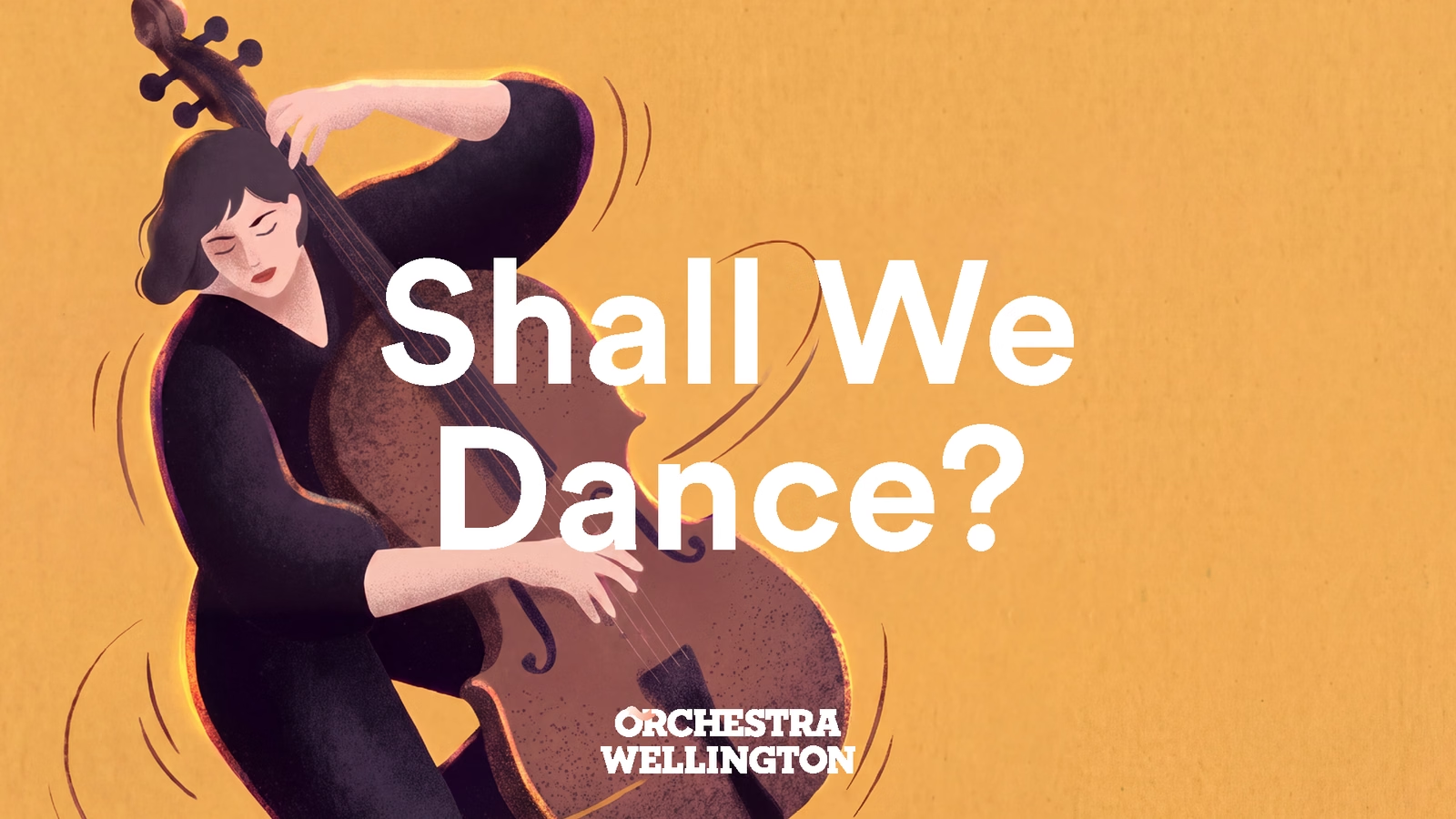
Celebrate a great moment when popular culture and concert music became inseparable.
Rhapsody in Blue remains one of the defining musical portraits of twentieth-century America, never apologising for its influences. The exhilarating final ballet from the movie Shall We Dance? reminds us that Gershwin understood something fundamental about theatre: dance doesn’t accompany character, it reveals it.
Bernstein’s Fancy Free extends the same idea — three sailors, one evening in New York, a ballet of such humanity that it would eventually give rise to On the Town and, ultimately, West Side Story, where dance no longer decorates the drama but becomes it. Ellington’s The River, conceived as a ballet for Alvin Ailey, completes the programme, showing jazz moving effortlessly onto a symphonic scale.
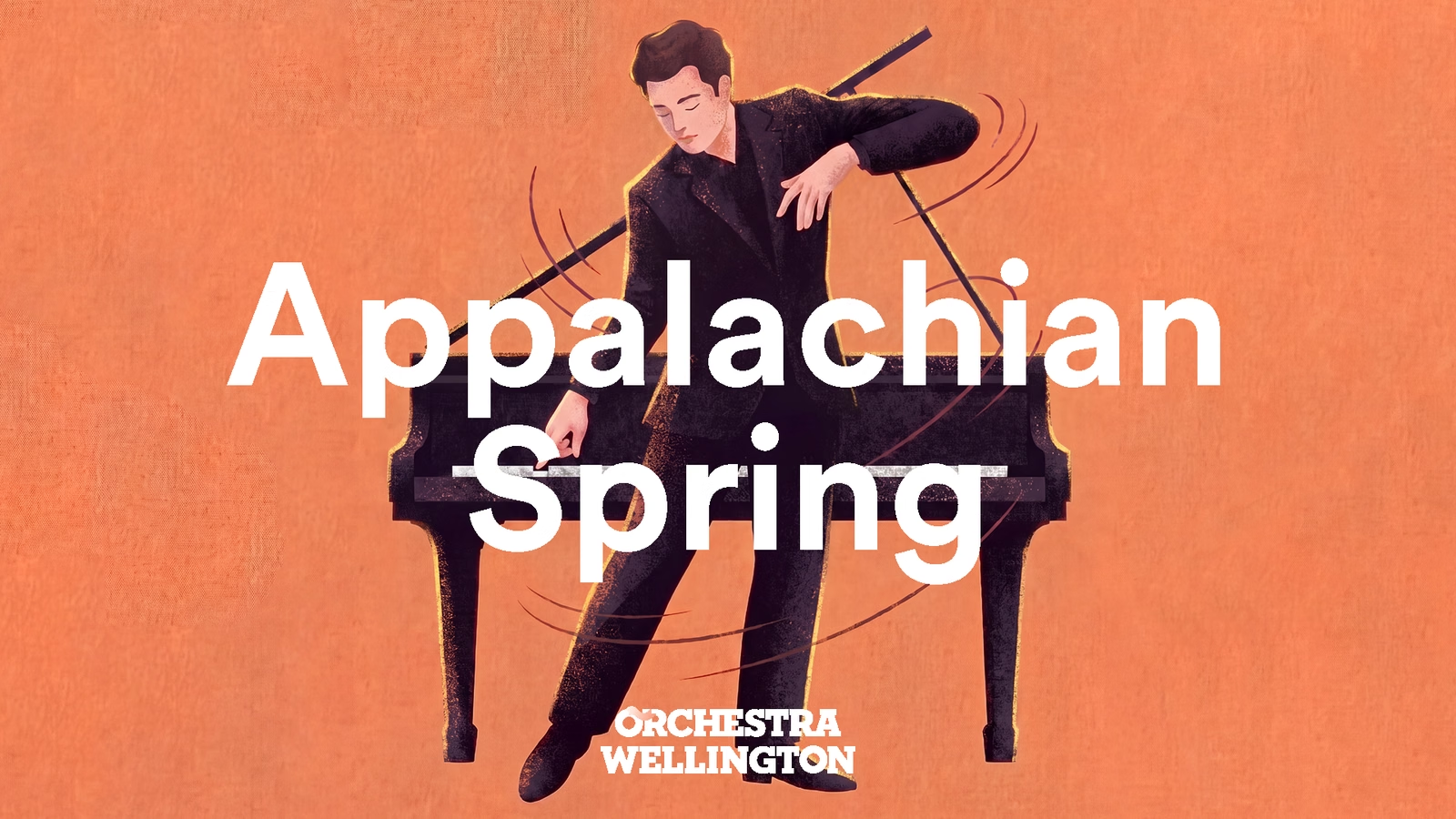
APPALACHIAN SPRING opens with John Adams’ The Chairman Dances, which imagines an episode that never actually occurs in Nixon in China: Madame Mao steps down from a giant portrait and begins to dance. The orchestra pulses with the energy of minimalism (and more than a passing resemblance to the Stravinsky symphony that concludes the programme!), recalling foxtrot, jazz, and big band along the way.
I’m thrilled that Ewan Clark will be celebrated as Orchestra Wellington’s Composer in Residence for the 2027 season. Ewan is a musician of unusual breadth — a composer, orchestrator, conductor and trombonist with an instinctive understanding of how an orchestra breathes and how music can carry a dramatic narrative.
I have championed his masterful Gethsemane for more than two decades, conducting it with orchestras throughout New Zealand. Its emotional directness, structural assurance and luminous writing for strings convinced me long ago that Ewan possessed a distinctive and important musical voice. Most recently, Orchestra Wellington Patron John Psathas featured the work in the Psathas Sessions, bringing renewed attention to a piece that deserves a permanent place in our orchestral repertoire.
Ewan’s new Triple Concerto, commissioned by NZTRIO, brings three individual musical personalities into conversation with one another and with the orchestra. That makes it especially fitting for a season devoted to movement, gesture and exchange. Its world premiere promises to be one of the major events in New Zealand music during 2027.
Copland’s masterpiece Appalachian Spring brings one of America’s great celebrations of communal life, before Stravinsky’s Symphony in Three Movements closes the programme. Stravinsky believed he was writing absolute music, with no stage or dancer in mind — yet Balanchine immediately recognised its choreographic possibilities and built one of his greatest ballets from it, while Adams creates an entire foxtrot out of one of its most appealing rhythmic cells!
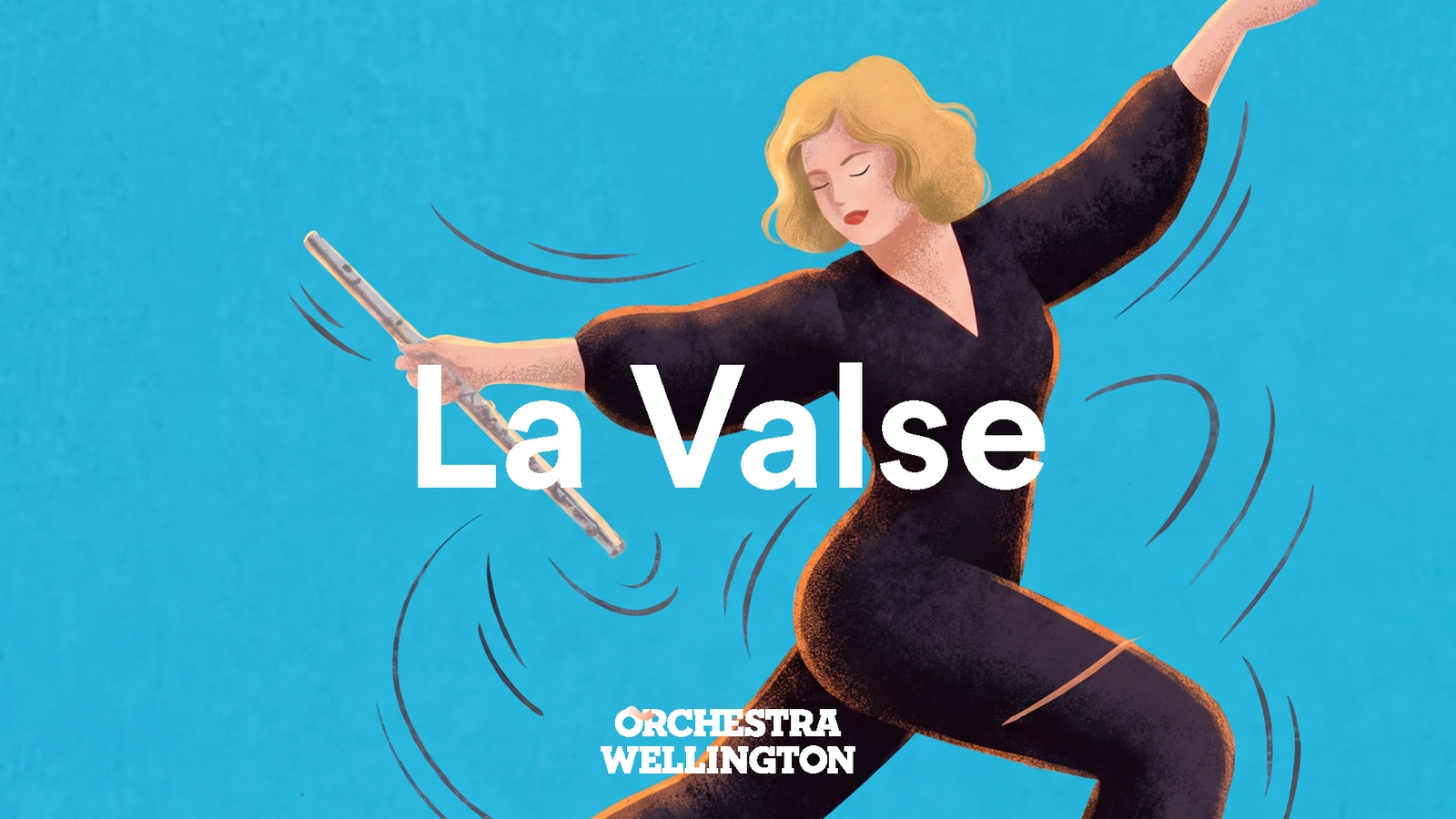
Nowhere is the inheritance of dance more beautifully transformed than in French music at the turn of the twentieth century — and nowhere in this season more than in our fifth programme, LA VALSE, which traces an extraordinary lineage across almost two centuries of French imagination.
It opens with Rameau, where dance remains inseparable from theatre. Between him and Ravel stands one of the great masterpieces of French ballet, Paul Dukas’ La Péri, occupying a fascinating threshold: inhabiting neither the ceremonial world of Versailles nor the psychological landscape of modernism, its rich orchestral palette foreshadows the refinement Debussy and Ravel would bring to full flower.
Ravel’s Piano Concerto in G major follows naturally. Like Gershwin, whom he greatly admired, Ravel recognised jazz as one of the great rhythmic resources available to twentieth-century composers, and the concerto dances almost constantly — with wit, irony, and always extraordinary elegance.
Nowhere is the inheritance of dance more beautifully transformed than in French music at the turn of the twentieth century.
Then comes La Valse, one of the most extraordinary orchestral works ever written. Conceived initially as a tribute to Johann Strauss II and the glittering world of the Viennese ballroom, it gradually becomes something infinitely more unsettling: emerging from orchestral mist, waltz rhythms emerge, gather momentum, and finally spin beyond human control. Whether one hears an elegy for imperial Vienna, the collapse of a civilisation, or simply the irresistible momentum of the dance itself scarcely matters. Ravel transforms the dance into metaphor.
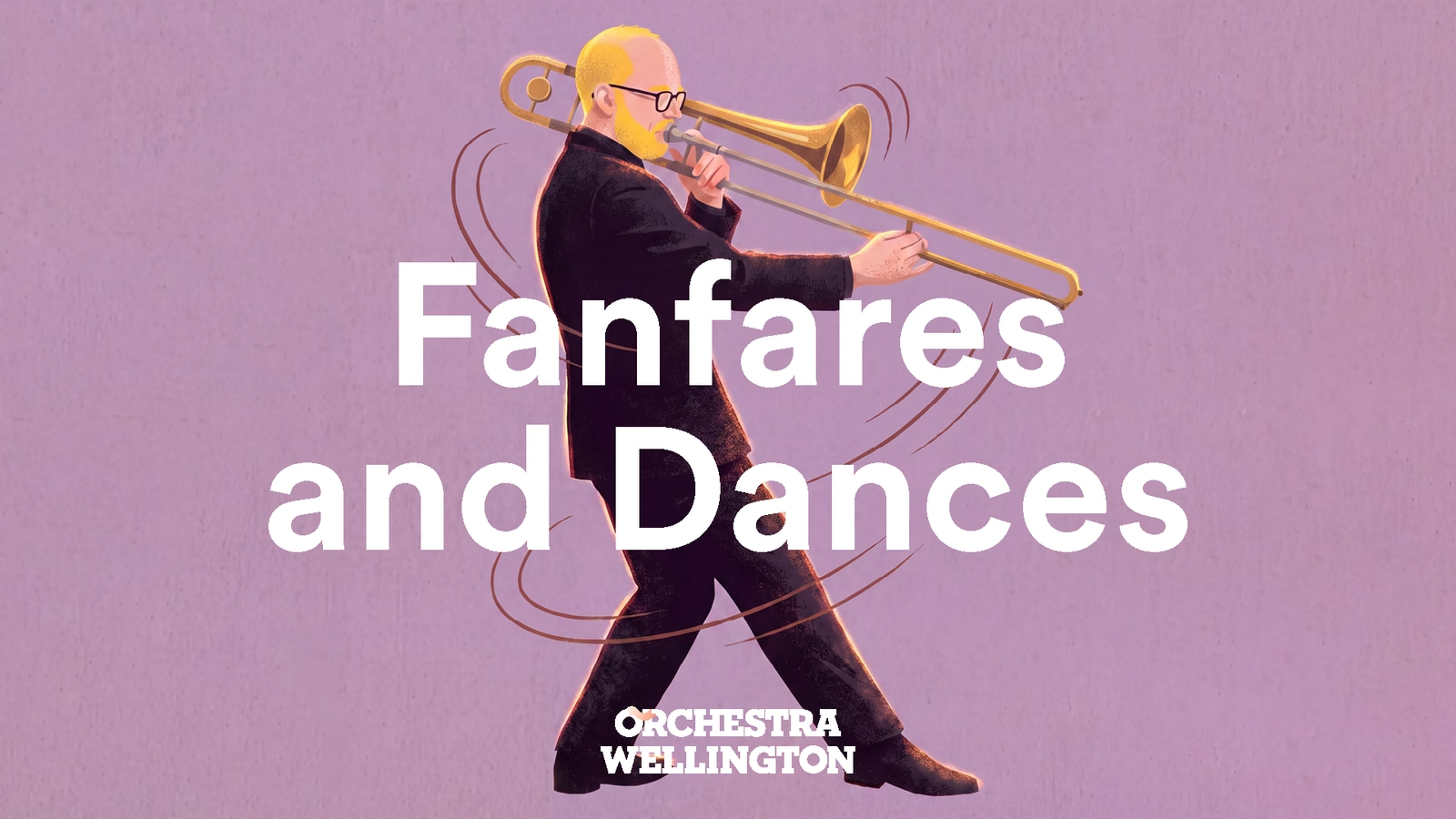
Our sixth and final programme, FANFARES AND DANCES, returns to the source. Bartók’s Dance Suite, written in 1923 for the fiftieth anniversary of the union of Buda and Pest, reconnects us with the folk traditions that continually renewed Western music whenever it risked detachment from ordinary experience.
Mahler’s Rückert-Lieder, sung by the outstanding New Zealand contralto Kristin Darragh, offer the season’s most intimate moment. Kristin’s richly-coloured voice, dramatic intelligence and exceptional sensitivity to text make her an ideal interpreter of these songs, whose movement has become internal: breath replaces gesture, inflection replaces choreography, and every phrase still unfolds through expectation, balance and release. They are a wonder.
Finally, Janáček’s Sinfonietta, written for the Sokol gymnastics festival celebrating Czech civic identity, returns dance to the public square. Its fanfares announce not merely a concert but a community — processions, ceremony and collective celebration standing in for the ballroom, — so the season that began in ritual also ends with it.
Looking back across these six programmes, beginning with the gala that reopens the Wellington Town Hall, they read less like a list of concerts than a single musical argument. Dance first organised movement, then rhythm, then harmony, until it became so deeply woven into musical thought that composers no longer needed dancers to write dance music. Perhaps that is why audiences still lean instinctively towards a cadence — somewhere beneath every phrase, every climax, every silence, the body remembers lessons first learned through movement centuries ago.
I’ve spent much of my life standing in front of orchestras, and I still find that extraordinary. Perhaps the real question posed by this season is not whether we should dance. It’s whether classical music ever stopped.
Marc Taddei
Music Director, Orchestra Wellington
Dance organised movement, then rhythm, then harmony, until it became so deeply woven into musical thought that composers no longer needed dancers to write dance music.
Perhaps that is why audiences still lean instinctively towards a cadence – somewhere beneath every phrase, every climax, every silence, the body remembers lessons first learned through movement centuries ago.
Work with us!
We are an equal opportunity employer.
Everyone is welcome at Orchestra Wellington!
We feel strongly that the diverse backgrounds, lived experiences, and individual contributions of our employees are an integral part of what makes the arts relevant, accessible, meaningful, impactful, and sustainable.
Reach out to find out about our current vacancies.